Estrogen Face Cream: Does It Actually Improve Aging Skin?
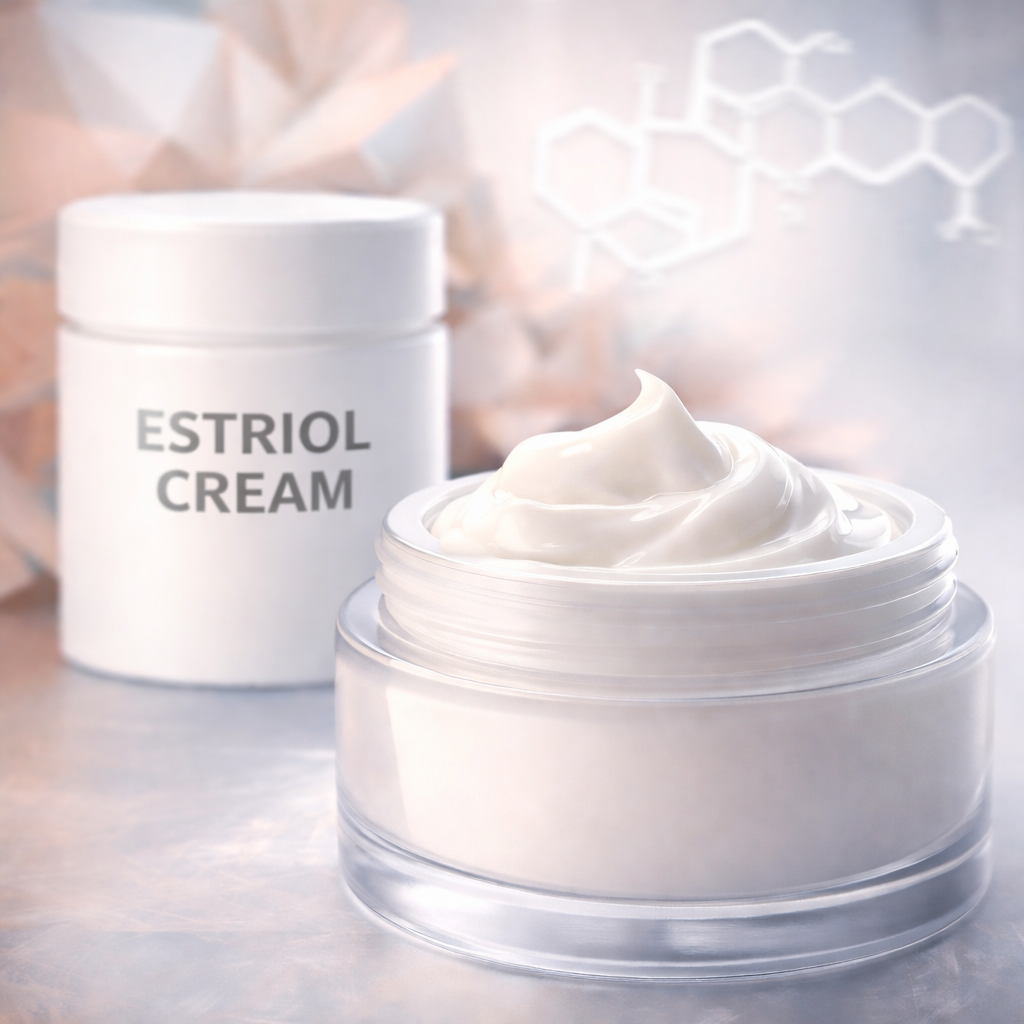
Estriol face cream is a topical bioidentical estrogen that may improve skin thickness, hydration, and elasticity in peri- and post-menopausal women. Evidence is promising but limited, and it works best as part of a comprehensive skin strategy rather than a standalone anti-aging solution.
At The Face Lab in Toronto, we are seeing growing interest in hormone-supportive skin care. Patients often notice that despite doing “everything right,” their skin changes rapidly during perimenopause and menopause. Estriol is one of the emerging tools worth discussing.
Why Skin Changes During Perimenopause and Menopause
Estrogen decline affects multiple skin pathways:
Reduced collagen production
Thinner dermis
Increased dryness and TEWL
Slower wound healing
Increased fine lines and laxity
Research suggests women can lose up to 30 percent of skin collagen in the first five years after menopause, which helps explain the sudden shift many patients notice.
What Is Estriol Face Cream?
Estriol is a weaker, bioidentical estrogen that can be compounded into topical formulations.
Proposed skin benefits:
Improved dermal thickness
Increased hydration
Enhanced elasticity
Potential reduction in fine lines
Unlike systemic hormone therapy, topical estrogen for the face is typically used in low concentrations and often prescribed off-label in Ontario.
What the Research Actually Shows
The data is encouraging but not definitive.
Positive signals
Small clinical studies have shown:
Improved skin elasticity
Increased collagen markers
Better hydration
Reduction in wrinkle depth
Who May Benefit Most
In clinical practice, the best responders tend to be:
Perimenopausal patients with new skin dryness
Post-menopausal patients with accelerated thinning
Patients noticing sudden loss of skin resilience
Those already optimized on medical-grade skincare
When Estriol Is Not Enough
This is where expectations must be grounded. Estriol does not:
Replace collagen-stimulating treatments
Lift moderate to severe laxity
Reverse deep volume loss
Substitute for retinoids in most patients
At The Face Lab, we often see best outcomes when estriol is part of a treatment stacking strategy.
Our Clinical Approach in Toronto
For many patients, the most effective plan layers:
At-home support such as:
Medical-grade retinoid
Barrier repair moisturizer
Daily SPF
Peptide & Vitamin C & Antioxidants
Considered use of estriol when appropriate
In-clinic collagen stimulation treatments:
Sofwave®
Tixel®
Aerolase® NeoElite
Biostimulators such as Sculptra® or hyperdilute Radiesse®
Estriol addresses the hormonal skin environment, but energy-based treatments address structural collagen remodeling.
Both matter.
Safety and Considerations
Estriol face cream is generally well tolerated but requires thoughtful screening.
Considerations:
Off-label facial use in Canada
Requires medical assessment
Not appropriate for all patients
Long-term safety data is still evolving
May cause mild irritation in some users
The Face Lab Perspective
In our Toronto patient population:
Some patients experience meaningful improvement
Some notice subtle changes only
A small subset see minimal benefit
This variability reinforces an important truth: estriol is a supportive tool, not a universal solution.
Takeaways
Estriol face cream can be a valuable adjunct for hormonally driven skin changes, particularly in peri- and post-menopausal patients. The strongest outcomes occur when it is integrated into a broader, collagen-focused treatment plan rather than used alone.
At The Face Lab in Toronto and the GTA, compounded estriol formulations may be prescribed off-label through appropriate medical assessment.
Frequently Asked Questions
Is estriol/estrogen face cream safe for the skin?
Estriol face cream is generally well tolerated when prescribed appropriately, but it is an off-label facial use in Canada. Patients with hormone-sensitive conditions or unexplained bleeding should be medically screened before use.
How long does estriol/estrogen face cream take to work?
Most patients who respond begin to notice improvements in hydration and skin quality within 8 to 12 weeks. Collagen-related changes may take several months and results vary significantly between individuals.
Does estrogen/estriol face cream replace retinol or collagen treatments?
No. Estriol supports the hormonal environment of the skin but does not replace retinoids, energy-based collagen stimulation, or biostimulators. At The Face Lab in Toronto, it is typically used as part of a broader skin strategy.
Who is the best candidate for and estrogen/estriol face cream?
Perimenopausal and post-menopausal patients experiencing new dryness, thinning, or loss of skin resilience tend to benefit most. It is less impactful in younger patients with hormonally stable skin.
Can estrogen/estriol face cream be used and obtained in Toronto and the GTA?
Yes. Estriol formulations can be prescribed off-label through licensed pharmacies in Ontario following appropriate medical assessment.