Prejuvenation & Teen Skincare: What Parents Need to Know | CHCH TV
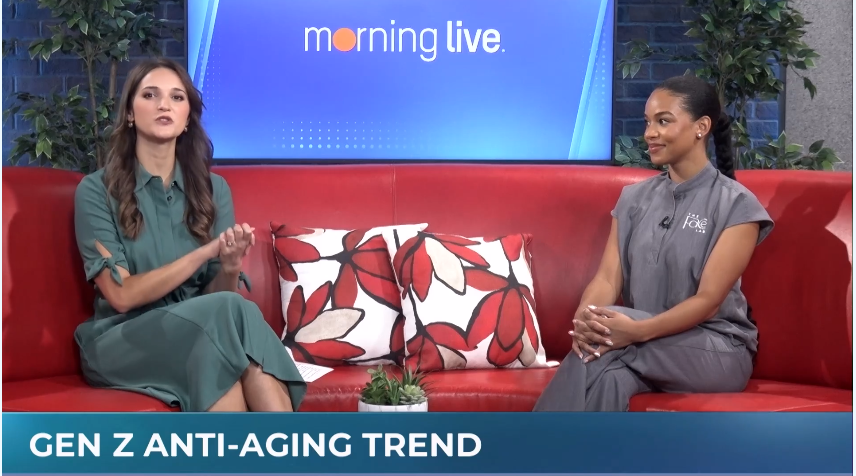
Joanna Auguste, Nurse Practitioner and Founder of The Face Lab Toronto, speaks with CHCH Morning Live host Simone Gavros about the rise of “prejuvenation,” teen skincare trends, and the influence of social media on how young people think about aging.
Skincare has never been more popular among teenagers. TikTok, Instagram and influencer culture have introduced a generation of young people to ingredients, routines and anti-aging products earlier than ever before. But does a teenager actually need an anti-aging skincare routine?
On September 7, 2026, Joanna Auguste, Nurse Practitioner, Founder and Clinical Director of The Face Lab in Toronto, joined CHCH Morning Live to discuss the viral trend known as “prejuvenation” and how social media is changing the way young people think about their skin. The conversation focused on an important distinction: taking care of your skin early can be beneficial, but trying to prevent normal aging as a teenager is something entirely different.
What is prejuvenation?
Prejuvenation generally refers to starting skincare or aesthetic interventions earlier in life with the intention of preventing or delaying visible signs of aging. The philosophy itself is not necessarily problematic. Prevention is an important part of skin health. Daily sunscreen, protecting the skin barrier and establishing healthy habits early can benefit the skin for decades. The concern is when “prevention” becomes anti-aging anxiety, particularly among teenagers whose skin is young, healthy and still developing.
Social media can blur this distinction.
Young people are regularly exposed to videos discussing wrinkles, collagen loss, retinoids, exfoliating acids and elaborate multi-step routines. Products traditionally marketed to adults are now appearing in the skincare routines of teenagers who may not have a clinical indication for them.
Does a teenager need an anti-aging skincare routine?
For most teenagers, no.
Teen skin has different needs from mature skin. During adolescence, hormonal changes can increase oil production and contribute to acne, congestion and sensitivity. The goal should generally be supporting healthy skin rather than treating aging that has not occurred. For many teenagers, an effective routine can be remarkably simple:
A gentle cleanser
A moisturizer appropriate for their skin type
Broad-spectrum SPF 30 or higher every day
If acne, eczema, pigmentation or another skin condition is present, additional treatment can be recommended based on the individual.
More products do not automatically mean healthier skin.
Should teenagers use retinol?
This is one of the most common questions surrounding prejuvenation.
Teenagers generally do not need retinol simply for anti-aging purposes.
Retinoids do have an established role in dermatology, particularly for acne, and may be appropriate for some younger patients when recommended for a specific concern. That is very different from a teenager using a strong retinol product because an influencer told them they need to “prevent wrinkles.” Unnecessary use of active ingredients can contribute to irritation, dryness and disruption of the skin barrier, especially when several active products are layered together.
The better question is not, “At what age should I start retinol?”
It is: “What does my skin actually need right now?”
The biggest problem with TikTok skincare routines
One of the challenges with skincare advice on TikTok and Instagram is that recommendations are often presented without context. A product may be excellent for one person's skin and completely inappropriate for another. Skin type, acne, sensitivity, pigmentation, medications, medical history and even how other products are being used can change whether an ingredient makes sense.
Another common issue is over-treatment.
Teenagers may combine exfoliating acids, retinol, scrubs, acne products and other active ingredients because each product has been recommended separately online. The result can be irritation, inflammation and a compromised skin barrier.
At The Face Lab, our approach is intentionally different: more treatment is not always better treatment.
What skincare products do teenagers actually need?
A good teenage skincare routine does not need to be complicated.
Gentle cleanser
Cleansing helps remove oil, sunscreen, makeup and environmental debris without stripping the skin.
Moisturizer
A moisturizer supports the skin barrier and should be selected according to skin type rather than social media popularity.
Sunscreen
If there is one preventative skincare habit worth establishing early, it is consistent sun protection. Daily broad-spectrum SPF helps protect against UV damage and is far more relevant to long-term skin health than introducing unnecessary anti-aging products during adolescence.
Targeted treatment when needed
Acne, post-inflammatory hyperpigmentation, eczema and other concerns may require additional products or professional treatment. These should be selected because there is a reason to use them, not simply because they are trending.
What skincare ingredients should teens be cautious with?
There is no universal list of “bad” ingredients for teenagers. The bigger issue is using potent active ingredients without an indication or appropriate guidance. Depending on the individual, caution may be appropriate with frequent exfoliating acids, high-strength retinol products, aggressive scrubs and complicated routines containing several active ingredients. This is especially important when the skin is already irritated. Sometimes the most effective intervention is actually simplifying the routine and allowing the skin barrier to recover.
Prejuvenation also raises a bigger question about aging
The conversation around teen skincare is not only about products. It is also about the message young people are receiving about aging. When teenagers begin worrying about wrinkles before they have them, skincare can shift from self-care toward trying to correct something that is completely normal. There is nothing wrong with enjoying skincare. There is also nothing wrong with wanting healthy skin. But young people should not feel that their faces require constant correction or that normal aging is something they need to fear before adulthood. As aesthetic and healthcare professionals, our responsibility is not simply to recommend what can be done. It is also to recognize when something is unnecessary.
Sometimes the safest and most appropriate recommendation is to do less.
Frequently Asked Questions About Teen Skincare
What is prejuvenation?
Prejuvenation describes starting preventative skincare or aesthetic interventions earlier in life in an effort to delay visible signs of aging. Healthy preventative habits can be beneficial, but teenagers generally do not require an anti-aging routine.
What is the best skincare routine for a teenager?
For many teenagers, a gentle cleanser, moisturizer and broad-spectrum SPF are an excellent foundation. Additional products should address specific concerns such as acne or pigmentation.
Can teenagers use retinol?
Retinoids can be appropriate for certain conditions, including acne, but most teenagers do not need retinol solely to prevent aging. Individual recommendations should be based on the skin concern being treated.
Is TikTok skincare advice safe?
Some social media skincare information is useful, but recommendations are rarely individualized. A trending product may not be appropriate for every skin type, age or concern.
When should a teenager see a skincare professional?
Persistent acne, pigmentation, irritation, scarring, eczema or difficulty finding a routine that works are reasonable reasons to seek professional guidance.
Watch Joanna Auguste Discuss Prejuvenation on CHCH Morning Live
Joanna Auguste joined CHCH Morning Live on September 7, 2026 to discuss the viral prejuvenation trend, social media's influence on young people's perception of aging and how parents and teenagers can make more informed skincare decisions.